Навигация по сайту



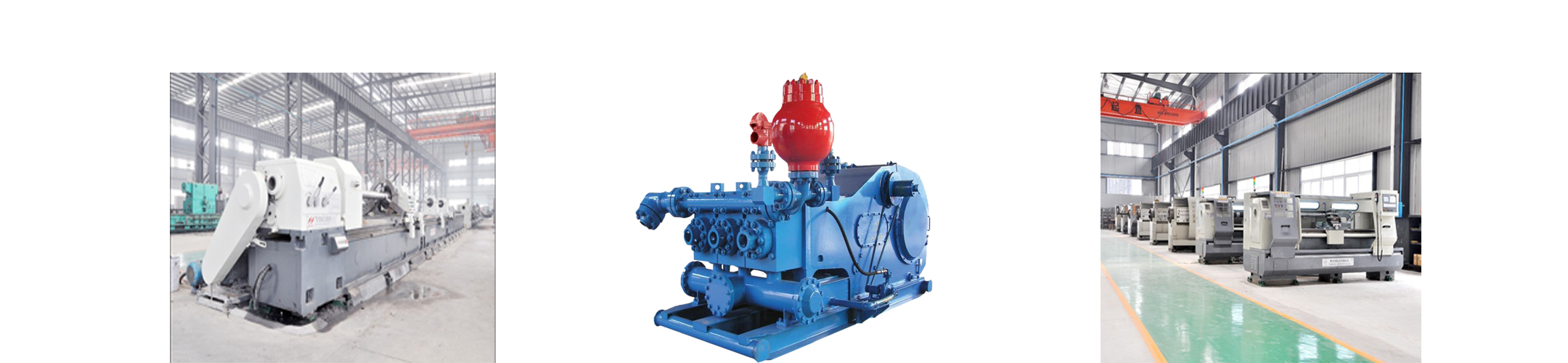
Choosing the appropriate drilling equipment represents one of the most critical decisions in project planning, directly impacting operational efficiency, costs, and ultimate project success. The F series mud pump family offers multiple models and configurations designed for different operational requirements. Understanding the selection criteria ensures you specify equipment optimally suited to your specific drilling program, avoiding both over-specification that wastes capital and under-specification that limits performance.
Effective equipment selection begins with comprehensive analysis of drilling program requirements. Start by defining the maximum anticipated well depth, as this determines the pressure requirements your mud pump must satisfy. Deep wells require higher pressures to overcome hydrostatic head and circulate drilling fluid efficiently. Conversely, shallow wells may operate satisfactorily with lower pressure ratings, potentially allowing specification of less expensive equipment.
Well trajectory significantly influences pump requirements. Vertical wells present straightforward hydraulics with predictable pressure losses. Directional and horizontal wells involve extended measured depths and increased friction, requiring higher circulating pressures. Extended-reach horizontal wells can demand pressure capabilities exceeding vertical wells of similar true vertical depth by 50% or more.
Formation characteristics affect both pressure and flow requirements. Hard crystalline formations benefit from high flow rates that improve bit cooling and cuttings removal, maximizing penetration rates. Soft, unconsolidated formations may require reduced flow to prevent erosion and hole enlargement. Understanding the geological profile of your drilling program guides appropriate oilfield mud pump specification.
The F series mud pump encompasses models with working pressure ratings from 3,000 PSI to over 7,500 PSI. Determining the appropriate pressure rating requires calculating maximum anticipated system pressure including hydrostatic head, annular friction pressure loss, bit pressure drop, and surface equipment pressure losses. Add reasonable safety margin to account for variations in mud properties and unexpected conditions.
Consider future drilling plans when selecting pressure ratings. Specifying slightly higher pressure capacity than immediately required provides flexibility for future deeper or more challenging wells without requiring equipment replacement. The modular nature of F series oilfield mud pumps allows some upgrade capability, but fundamental pressure ratings are fixed by power end and fluid end design limits.
Remember that operating pumps continuously at maximum rated pressure accelerates wear and reduces component life. Best practice targets normal operating pressures at 70-80% of rated capacity, reserving the full rating for occasional peak demands. This approach maximizes equipment longevity while ensuring adequate capacity for demanding operations.
Flow rate requirements depend on hole size, drill string configuration, and desired annular velocity for effective cuttings transport. Standard hydraulics calculations determine minimum flow rates for adequate hole cleaning. The mud pump must deliver this minimum flow while operating within its pressure rating.
The F series offers multiple displacement options through different liner and piston combinations. Smaller displacements provide higher pressure capability at reduced flow, suitable for deep wells with smaller hole sizes. Larger displacements deliver greater flow at lower pressures, optimal for shallow large-diameter holes. Many operations specify pumps with moderate displacement that can be reconfigured with different liners to suit varying applications.
Account for volumetric efficiency when calculating actual delivered flow. Even well-maintained pumps deliver 5-8% less than theoretical displacement due to fluid compressibility and internal leakage. Size your F series oilfield mud pump to provide required flow accounting for these efficiency factors, ensuring adequate performance under actual operating conditions.
Hydraulic power requirements follow directly from pressure and flow specifications. Calculate required input power using standard power formulas, accounting for power end mechanical efficiency. The F series mud pump typically requires 10-15% more input power than calculated hydraulic output to overcome mechanical losses.
Power source availability often influences equipment selection. Diesel-powered pumps offer installation flexibility and independence from electrical infrastructure, making them popular for remote drilling operations. Electric motor drives provide lower operating costs in locations with reliable power availability. Some operations specify dual-fuel capability, allowing operation on either diesel or natural gas to optimize fuel costs based on local availability.
Modern rig designs increasingly favor electric-powered mud pumps as part of comprehensive rig electrification programs. These systems offer superior efficiency and reduced emissions compared to diesel alternatives. When evaluating electric drives for your oilfield mud pump, ensure adequate electrical infrastructure exists to support the required power demand, including motor starting transients that can briefly exceed normal operating loads.
Drilling fluid properties significantly influence mud pump component wear rates. Abrasive muds containing high concentrations of sand or barite accelerate erosion of cylinder liners and valve components. Corrosive fluids attack metal surfaces chemically, requiring materials with enhanced corrosion resistance.
The F series mud pump offers various metallurgical options for fluid end components. Standard alloy steel liners suit most applications with conventional water-based muds. Highly abrasive conditions benefit from upgraded materials such as tungsten carbide liners that resist wear effectively but command premium prices. Evaluate your mud program characteristics and specify appropriate materials that balance performance with economic considerations.
Valve seat materials warrant similar consideration. Standard hardened steel seats provide adequate service in benign conditions. Tungsten carbide seats extend life dramatically in abrasive applications, reducing maintenance frequency and lowering long-term operating costs despite higher initial investment. Many operators specify carbide seats as standard equipment, accepting the upfront cost for the reliability benefits.
Modern drilling operations increasingly rely on automated control systems that optimize drilling parameters continuously. The F series oilfield mud pump integrates readily with these systems through electronic controls that monitor and adjust pump speed based on programmed parameters or operator commands.
Specify control system interfaces compatible with your rig's existing automation architecture. Most modern pumps support industry-standard communication protocols, enabling seamless integration. Advanced features like remote monitoring, predictive maintenance algorithms, and automated pressure control enhance operational efficiency while reducing operator workload.
Consider future automation plans when selecting control systems. Open architecture systems that support third-party integration provide flexibility for future upgrades without requiring complete control system replacement. This forward compatibility protects your technology investment as automation capabilities continue evolving.
Reliable parts supply proves critical for minimizing downtime when service is required. The widespread global adoption of F series mud pumps creates extensive parts distribution networks, ensuring components are available when needed. Verify that your equipment supplier maintains adequate parts inventory in your operational region, or plan to stock critical spares locally.
Service support capability varies among suppliers. Evaluate not just initial equipment cost but also the quality of after-sales support including field service availability, training programs, and technical assistance. Experienced service support can dramatically reduce troubleshooting time when problems occur, minimizing expensive non-productive time during drilling operations.
Purchase price represents only one component of total equipment cost. Comprehensive economic analysis considers fuel consumption, maintenance expenses, reliability, and operational efficiency over the equipment's service life. The mud pump with the lowest purchase price rarely delivers the best total cost of ownership.
Develop detailed cost models incorporating all relevant factors. Factor in energy costs based on anticipated operating hours and local fuel or electricity rates. Estimate maintenance costs using historical data from similar operations and manufacturer service interval recommendations. Account for the cost of downtime, which often exceeds direct repair expenses significantly.
Resale value also merits consideration, particularly for contractors who regularly update equipment fleets. F series oilfield mud pumps maintain strong resale values due to their reliability reputation and extensive installed base. Well-maintained units often command 40-50% of original purchase price after 8-10 years of service, providing economic benefit when upgrading to new technology.
While understanding selection criteria empowers informed decision-making, consulting with experienced equipment suppliers provides valuable insights. Reputable suppliers offer engineering support to evaluate your specific requirements and recommend appropriate configurations. They can identify potential issues you might overlook and suggest solutions based on experience with similar applications.
Prepare detailed specifications documenting your drilling program requirements, including well depths, trajectories, formation types, mud properties, and operational conditions. Comprehensive specifications enable suppliers to provide accurate recommendations and competitive quotations. Request performance guarantees where appropriate, ensuring the specified F series mud pump will meet your operational requirements.
Equipment selection involves balancing multiple factors including technical performance, economic considerations, support infrastructure, and operational flexibility. The F series oilfield mud pump offers proven technology backed by extensive field experience across diverse applications. By carefully analyzing your specific requirements and evaluating available options against objective criteria, you can select equipment optimally suited to deliver reliable, efficient performance throughout your drilling program.
Remember that proper selection represents just the first step toward successful operations. Combining the right equipment with skilled operators, disciplined maintenance, and effective management practices ensures you realize the full potential of your investment in quality drilling equipment.


