Навигация по сайту



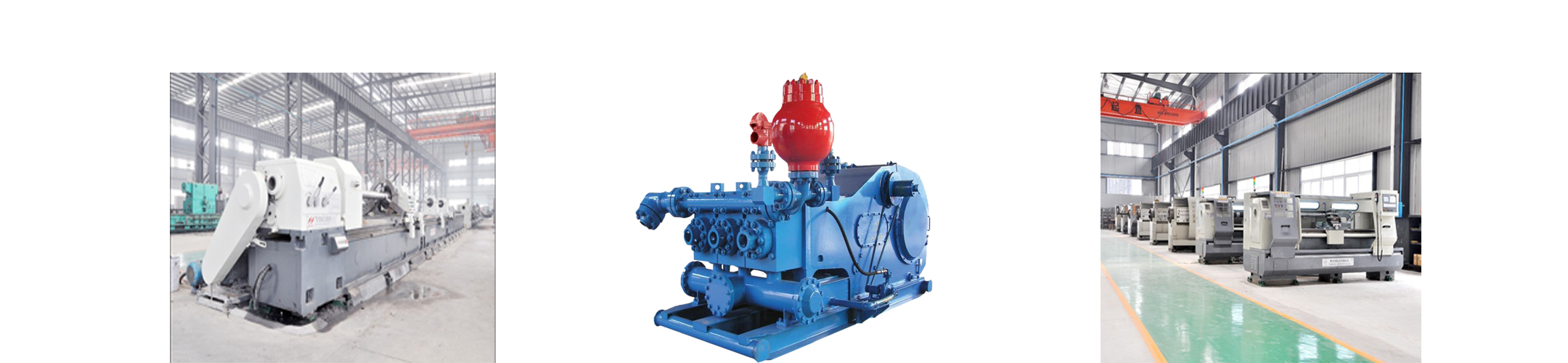
Maximizing the performance and longevity of drilling equipment requires a disciplined approach to maintenance. The F series oilfield mud pump is engineered for reliability, but even the most robust equipment requires proper care to deliver optimal performance. This comprehensive maintenance guide provides drilling professionals with the knowledge needed to keep their mud pumps operating at peak efficiency.
Effective maintenance begins with understanding how the equipment functions and which components experience the greatest stress during operation. The F series mud pump consists of two primary assemblies: the power end, which converts rotational energy into reciprocating motion, and the fluid end, which generates hydraulic pressure. Each assembly has specific maintenance requirements based on its operating environment and wear patterns.
The power end operates in a lubricated environment where contamination control and proper oil management are critical. Meanwhile, the fluid end contacts abrasive drilling mud continuously, requiring robust materials and regular inspection to maintain efficiency. Recognizing these different operating conditions helps prioritize maintenance activities for maximum effectiveness.
Every operational shift should begin with a systematic inspection of the mud pump. Start by checking lubrication oil level in the power end crankcase, ensuring it meets manufacturer specifications. Examine the oil for signs of contamination such as discoloration or metallic particles, which may indicate developing wear issues requiring investigation.
Inspect external piping for signs of leakage, paying particular attention to connections at the fluid end discharge and suction manifolds. Even small leaks can indicate valve seat wear or liner deterioration that will worsen rapidly under continued operation. Check all mounting bolts for proper torque, as the reciprocating motion of the oilfield mud pump can cause fasteners to loosen over time.
Listen to the pump during startup, noting any unusual sounds such as knocking from the power end or excessive noise from valves. Experienced operators develop an ear for normal pump operation and can detect subtle changes that precede equipment failures. Address any anomalies before beginning drilling operations to prevent minor issues from escalating into major failures.
Proper lubrication is essential for F series mud pump longevity. Use only the oil grade specified by the manufacturer, as viscosity characteristics are carefully selected to provide adequate film strength under the high loads present in the power end. Oil change intervals depend on operating conditions, but most operations benefit from changes every 500-1000 operating hours.
Modern synthetic lubricants offer extended service life and improved performance in extreme temperature conditions. While more expensive initially, synthetic oils often prove economical by extending change intervals and reducing wear on critical components. Whatever oil type you select, maintain consistent use to avoid compatibility issues that can arise from mixing different formulations.
Implement oil analysis programs to monitor power end condition. Regular sampling detects increasing wear metals before they reach critical levels, enabling planned component replacement rather than emergency repairs. Analysis also identifies contamination sources such as water ingress or dirt infiltration, allowing correction before damage occurs.
The fluid end of the F series oilfield mud pump requires more frequent attention due to contact with abrasive drilling mud. Cylinder liners experience wear from piston reciprocation, developing a polished appearance that gradually transitions to visible scoring as wear progresses. Most operations establish measurement protocols to track liner wear, replacing them before deterioration affects volumetric efficiency.
Valve assemblies represent the highest wear items in the fluid end. Discharge valves experience particularly severe conditions, with high pressures and velocities causing erosion of valve seats and sealing surfaces. Modern F series mud pumps use tungsten carbide seats that resist wear effectively, but even these hardened materials eventually require replacement after thousands of operating hours.
When servicing the fluid end, inspect all sealing surfaces carefully. Replace packing assemblies if any leakage is observed, as allowing small leaks to persist rapidly accelerates wear on surrounding components. Apply proper installation techniques for packing, ensuring correct compression without over-tightening that can cause premature failure.
Understanding common mud pump problems enables rapid diagnosis and correction. Loss of discharge pressure often indicates valve failures, with worn or broken valves failing to seal properly. Systematic valve inspection typically identifies the problem quickly, allowing replacement of the affected valve assembly.
Excessive packing leakage suggests either worn packing or damaged liners. If new packing fails to resolve leakage, inspect liners for scoring or excessive wear that prevents effective sealing. Cavitation at the suction can also cause unstable packing performance, so ensure suction piping provides adequate net positive suction head to prevent vapor formation.
Power end problems typically manifest as unusual noise or vibration. Bearing wear creates knocking sounds that worsen under load, while gear problems produce grinding or whining noises. Address power end issues promptly, as continued operation with damaged components causes cascading failures that dramatically increase repair costs. The robust design of the oilfield mud pump tolerates some abuse, but catches problems early minimizes damage and downtime.
Develop comprehensive maintenance schedules based on manufacturer recommendations and operational experience. Typical schedules include daily inspections, weekly detailed examinations, monthly service tasks, and annual major overhauls. Document all maintenance activities to build historical records that identify trends and optimize future service intervals.
Daily tasks include lubrication checks, leak inspections, and operational monitoring. Weekly activities add more detailed power end inspections, checking bearing temperatures and monitoring oil analysis results. Monthly service typically involves valve inspections and liner measurements to track wear progression.
Annual overhauls provide opportunities for complete disassembly and inspection of all components. Replace all wearing items regardless of apparent condition, as the cost of new parts is insignificant compared to the expense of unexpected failures during operations. This aggressive replacement strategy maximizes reliability for the coming year's operations.
Maintaining an appropriate spare parts inventory balances the cost of carrying inventory against the risk of operational delays. For F series mud pumps, priority spare parts include complete valve assemblies, cylinder liners, piston assemblies, and packing sets. These high-wear items should be stocked in quantities sufficient for multiple service cycles.
Critical power end components like bearings and gears warrant stocking despite their longer service life, as their failure can shut down operations completely. The modular design of the F series oilfield mud pump allows many parts to interchange across different models, reducing the total inventory required to support multiple pumps.
Even the best maintenance program fails without skilled personnel to execute it. Invest in comprehensive training for maintenance crews, ensuring they understand both the theoretical principles of mud pump operation and the practical skills required for effective service. Many manufacturers offer training programs specifically designed for their equipment.
Maintain detailed documentation for all maintenance activities, recording dates, components replaced, measurements taken, and any anomalies observed. This information proves invaluable for troubleshooting recurring problems and optimizing maintenance intervals. Modern digital maintenance management systems facilitate comprehensive record-keeping while providing analytical tools to identify improvement opportunities.
The F series mud pump represents a significant capital investment that delivers maximum value when properly maintained. Disciplined adherence to maintenance protocols extends equipment life, improves operational reliability, and reduces total cost of ownership. By implementing the practices outlined in this guide, drilling operations can ensure their mud pumps deliver years of dependable service, supporting efficient and profitable drilling operations.


